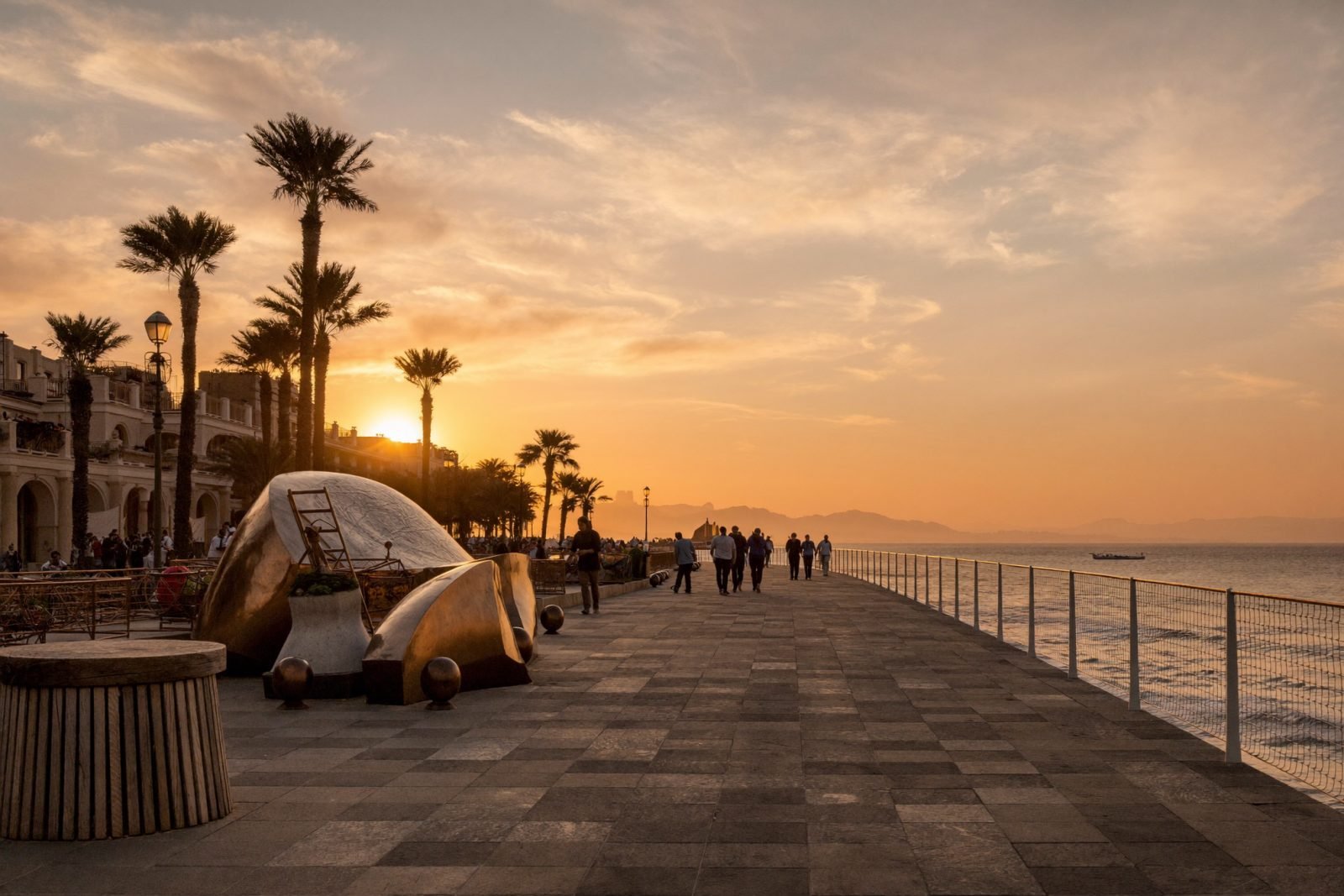
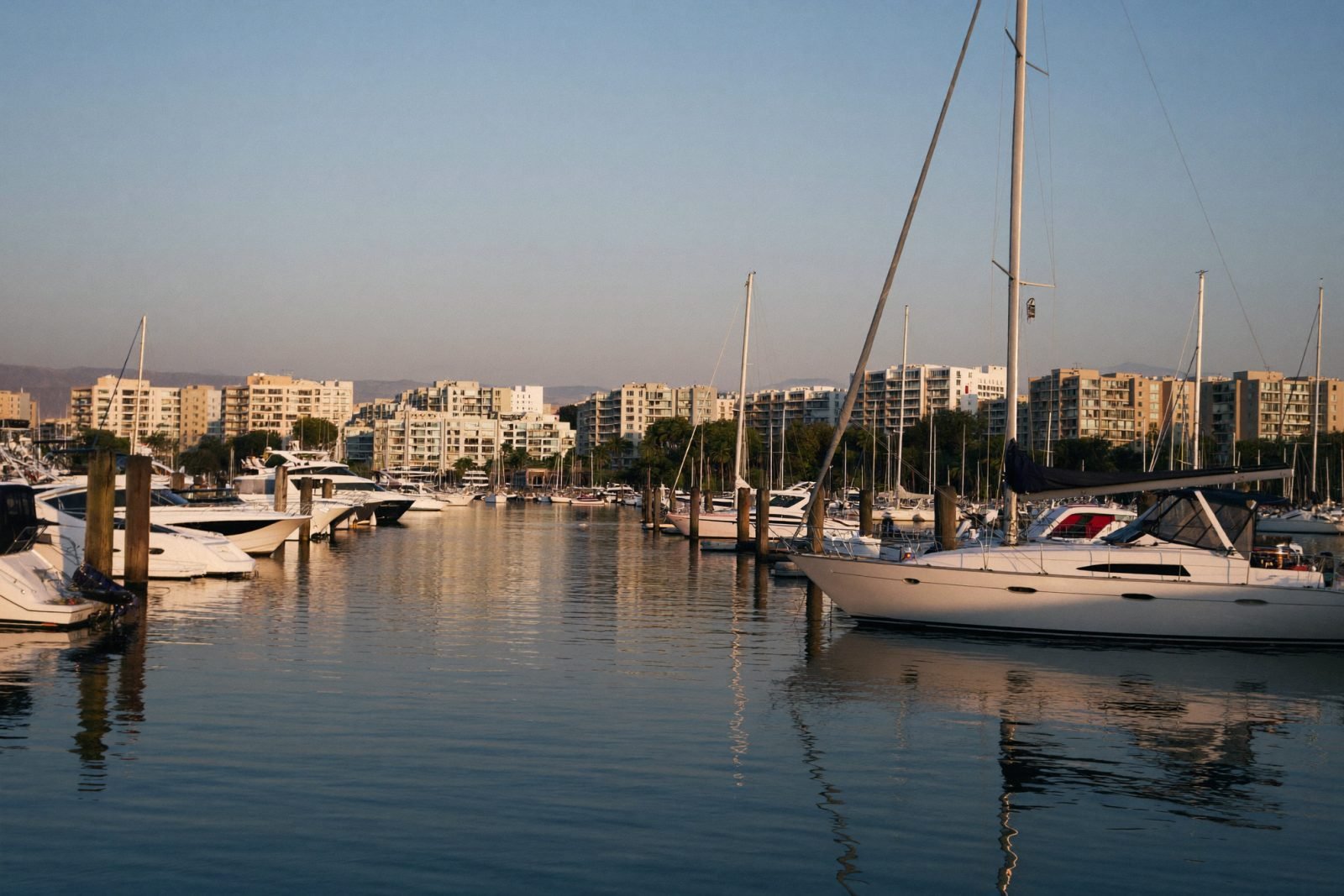
Every few years the map of Banderas Bay stretches a little further. First it was Punta de Mita. Then Sayulita, then San Pancho, then the long push south past Boca de Tomatlán. The next name on that list is one Vallarta residents have known for decades and almost nobody outside Jalisco has heard: Mayto.
It sits about ninety minutes south of Puerto Vallarta, in the municipality of Cabo Corrientes, on the strip of coastline that opens the Costalegre region. It has miles of pale, empty sand, an estuary, nesting sea turtles, an open Pacific that has never been calm, and — as of 2025 — its own working airstrip, a beachfront hotel and an ambitious zodiac-themed development called the Astrological Park.
This guide covers what Mayto actually is today: how to get there, what the beach is like, what the airport does and does not do, where you sleep, and why anyone tracking the southern coast should have it on their radar.
Where Mayto is, and why it stayed empty
Mayto belongs to Cabo Corrientes, the municipality that begins where Banderas Bay ends. Geographically it is the doorway to Costalegre — the stretch of Jalisco coast that runs south toward Careyes, Tenacatita and Barra de Navidad, and that has spent thirty years being described as "the next big thing" without ever quite becoming it.
The reason is simple: access. To reach Mayto you take Highway 200 south from Puerto Vallarta, climb to El Tuito, then turn off toward the coast on a road that drops roughly thirty kilometres to the water. The last stretch is unpaved in places. The whole run takes about an hour and a half in dry season and longer when the rains come.
That hour and a half is why the beach is still empty. It filtered out the day-trippers, the tour buses and the developers for decades. Locals from Vallarta made the drive anyway — with coolers, tents and a taste for the oysters at neighbouring Tehuamixtle — but nobody built anything at scale, because getting materials and guests down that road made no economic sense.
The beach itself
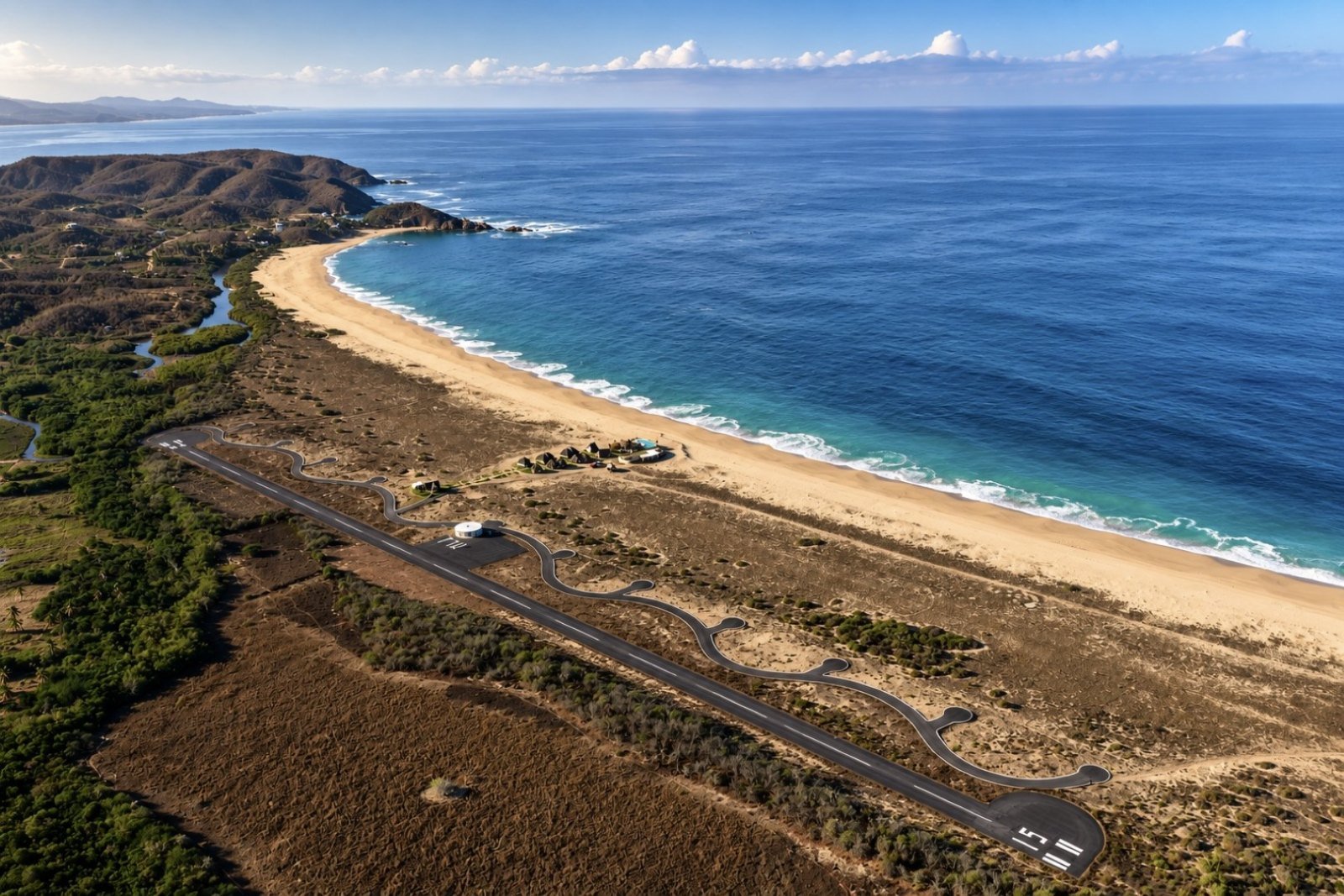
Mayto's beach is long, wide and almost aggressively plain in the best sense: pale sand, no palapas for rent, no vendors, no music. From the air you can follow it until it disappears into haze. The development that operates there describes five kilometres of untouched beach fronting its land, and the aerial photography backs that up — there is nothing on it.
Two things are worth knowing before you go.
It is open ocean, not a bay. Surf breaks hard on the shore and rip currents are real. This is a beach for walking, running, watching the sun set and putting your feet in the water — not for swimming out. There are no lifeguards. If you are used to Las Ánimas or Yelapa, recalibrate.
It is a turtle nesting beach. A community turtle camp has operated in the area for years, and hatchling releases happen at dusk during the season. Dates depend on the nests, not on a calendar, so ask when you arrive rather than planning around it.
The airport: fifteen minutes instead of ninety
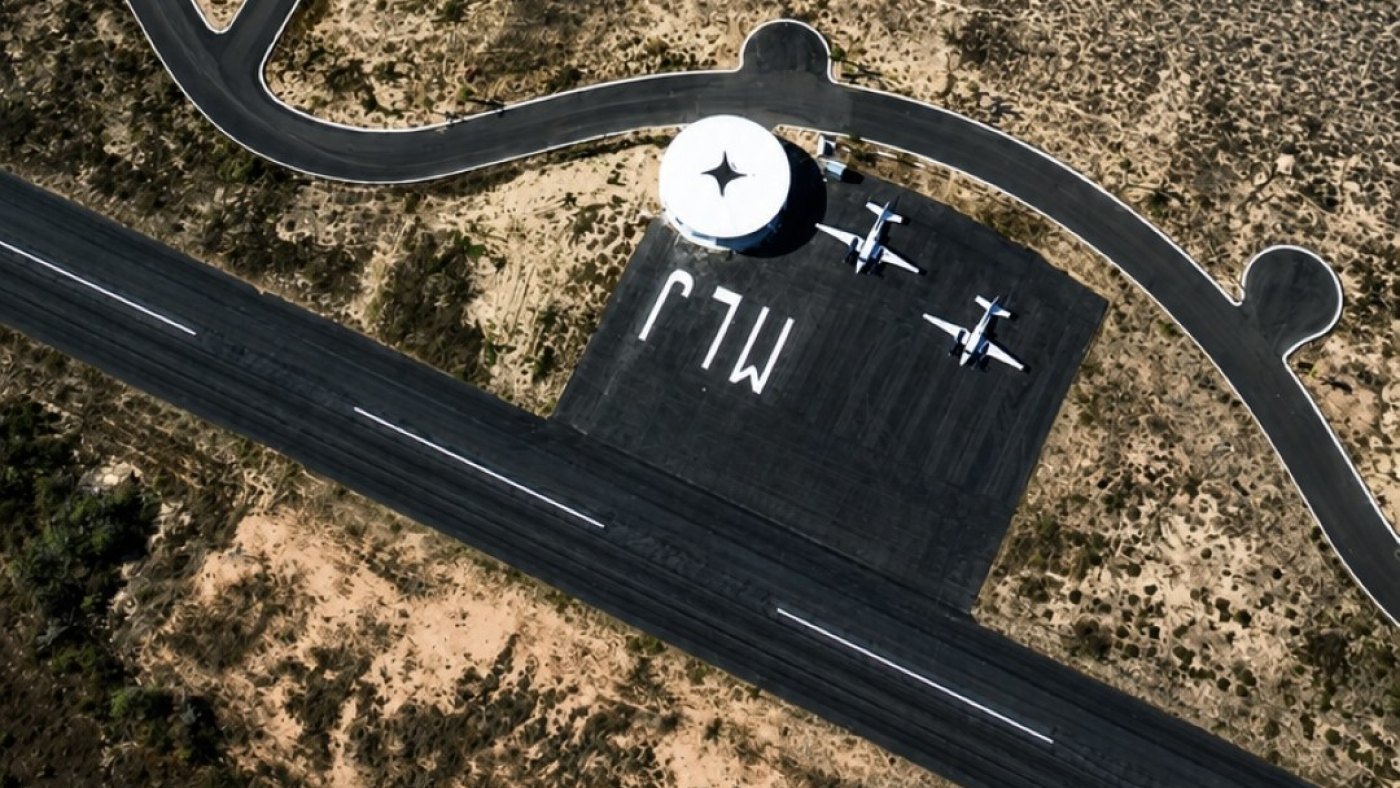
The single fact that changes Mayto's future is the airstrip. The development there built a paved runway with a taxiway, an apron and a small circular terminal, and formally opened it as an airport on 20 June 2025.
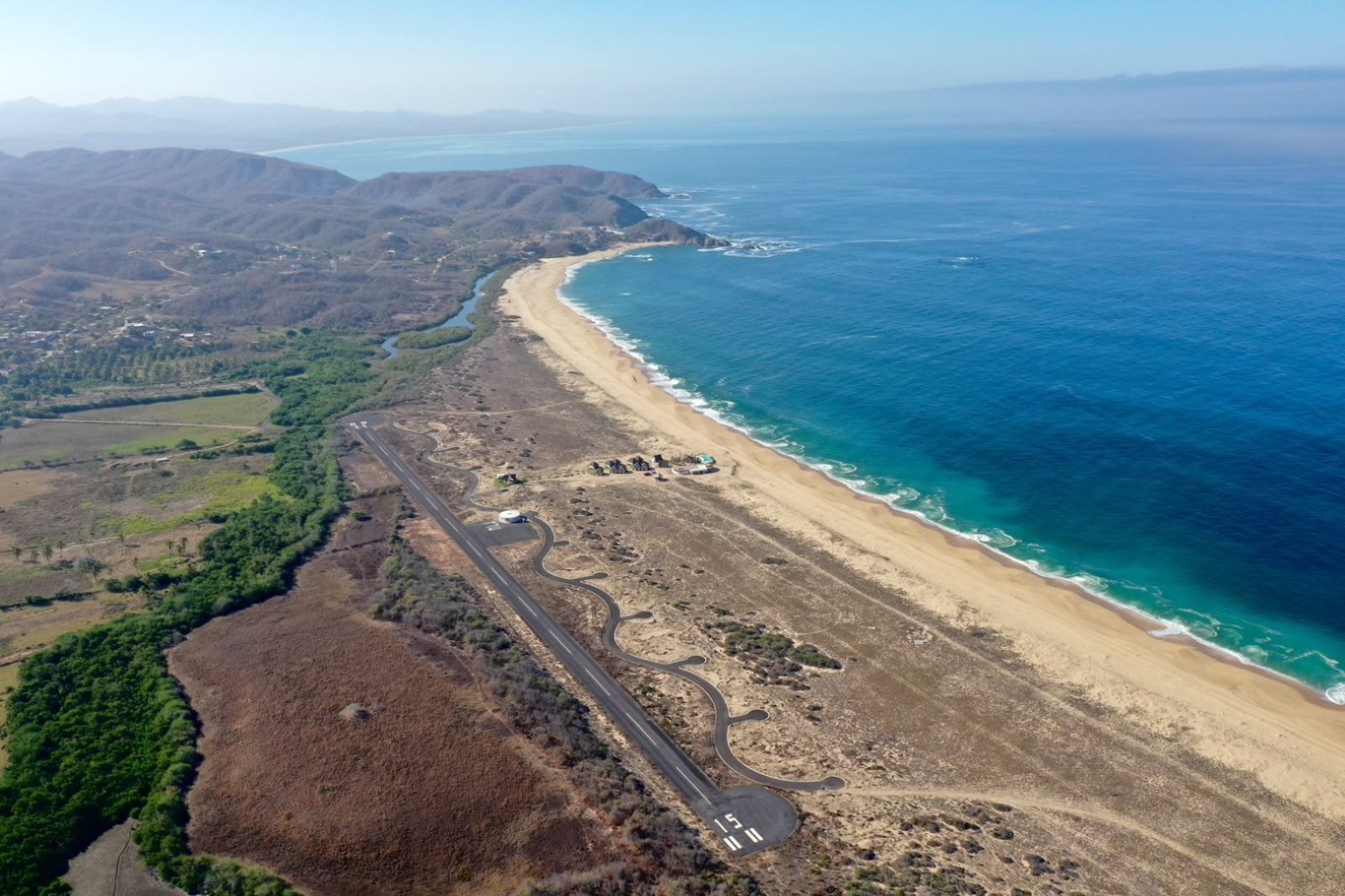
The project calls it Mexico's first themed airport, and that is not just brochure language. The taxiway curves in a deliberate serpentine loop, a tribute to the legacy of Tenochtitlan and the serpent motif that runs through the whole development. The terminal is a white circular volume with a four-pointed star on the roof, and the apron carries the letters MJL.
What it is not
This is where reporting on Mayto tends to overreach, so be precise: the Mayto airport handles general aviation and private operations — light aircraft, executive turboprops and jets, charter flights. There are no scheduled commercial airlines, no baggage carousels and no international immigration. It does not replace or compete with Puerto Vallarta International; it depends on it.
What it does do is collapse the drive. The destination cites zero connections, a fifteen-minute flight from Puerto Vallarta, and the ninety-minute road trip as the alternative. For a coastline that spent decades priced out of the market by its own access road, that is a category change, not an amenity.
Where you stay
The lodging is small on purpose. From above it reads as a short row of palapa-roofed units aligned toward the sand, a pool and a common area facing the ocean — a deliberately modest footprint dropped into an enormous beach.
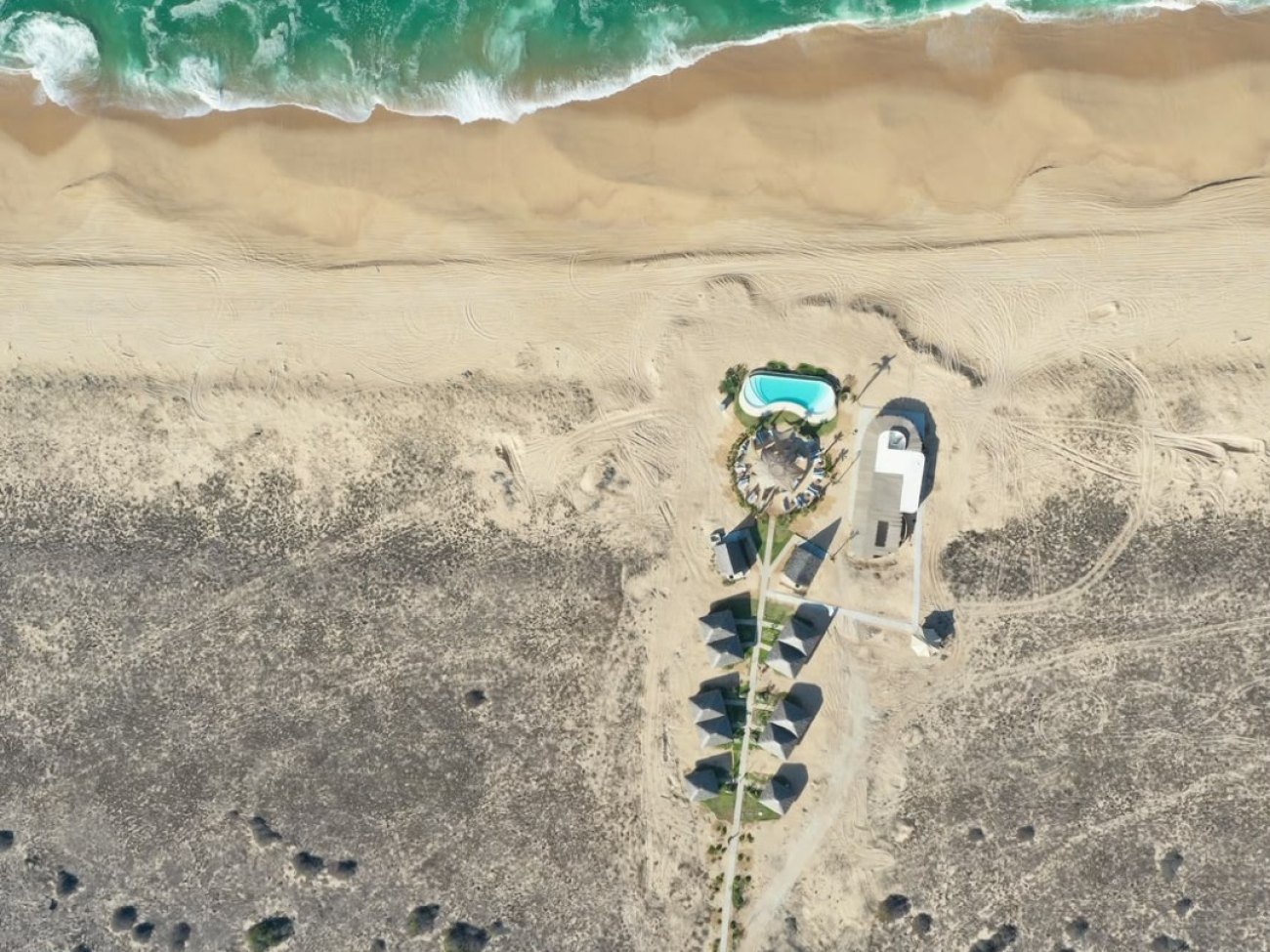
The hotel at Mayto runs a single room category rather than a tiered menu: a king bed under a palapa roof, warm lighting, a private terrace, oceanfront, a short walk from the airstrip. The stated numbers are 100% ocean-view rooms, local hosts on call 24/7 and zero city noise — the last of which is literal. Booking is direct and it operates year-round; the destination will assemble the whole arrival for you, flight included, through its reservations page.
The Astrological Park
This is the part that has no comparable anywhere on the Mexican Pacific. The Astrological Park is organised around the zodiac: twelve rotundas, one per sign, functioning as gateways to twelve Zodiac Temples. Each temple carries its own materials, aesthetic and symbolic reading, and the circuit between them is what makes the whole thing a park rather than a gated community with a theme.
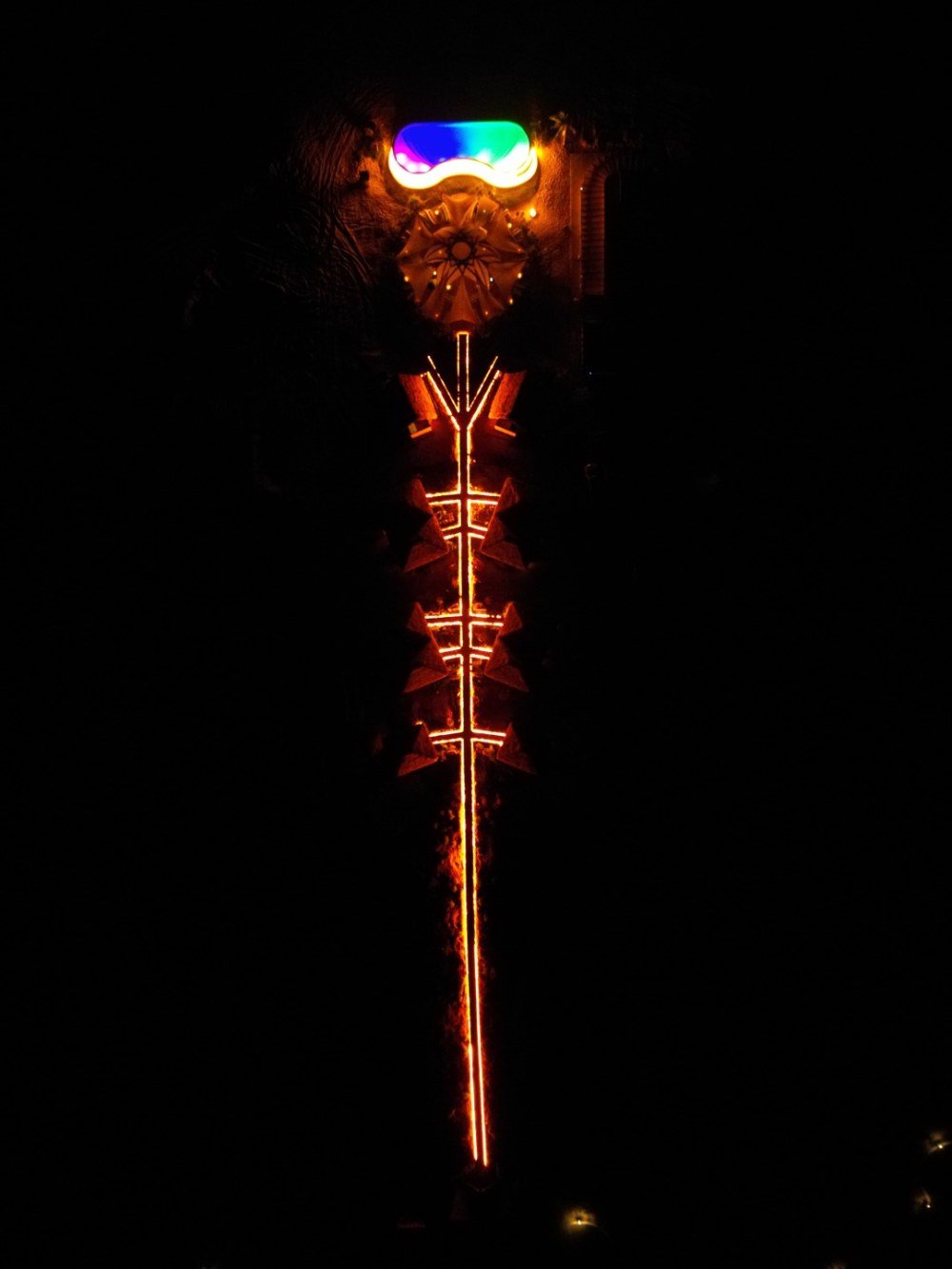
Inside the park the plan lays out six open-air themed experiences — spanning self-care, gastronomy, art and fashion — plus an observatory. And the strongest asset was not built by anyone: with no urban glow for miles, the Milky Way is visible to the naked eye and the constellations that name each temple rise directly over the water.
Set expectations correctly, though. The park is phased and still under construction. What operates today is the air access and the beachfront lodging; the temples are being built in stages, with the first — Virgo — projected for 2027. Visit this year for the beach, the sky and the airstrip. The temples are the long film.
Why the southern coast matters to owners on the bay
Anyone who has watched Banderas Bay for a decade recognises the pattern. Infrastructure arrives on an empty coastline; the land around it reprices; services follow; and the towns in between — in this case El Tuito and the Cabo Corrientes villages — become the supply chain for whatever gets built.
Mayto is early in that curve, and it is worth being honest about the risks as well as the upside: this is a turtle nesting beach and a small community, and the sustainability the project advertises will have to be proven in construction rather than in renderings. But the direction of travel is not ambiguous. Vallarta's tourism frontier is moving south, and this time it has a runway.
Frequently asked questions
How far is Mayto from Puerto Vallarta?
About ninety minutes by car via Highway 200 and El Tuito, or roughly fifteen minutes by air into the destination's own airstrip.
Can I fly to Mayto commercially?
No. There are no scheduled airlines. Commercial access is still Puerto Vallarta International, then either the drive or a private or charter flight.
Is Mayto safe for swimming?
Treat it as open ocean. Strong shore break and rip currents, no lifeguards. Wade, walk and enjoy the water at the edge — do not swim out.
Is there anywhere to stay in Mayto?
Yes — beachfront suites in a single category, king bed under a palapa roof with a private terrace, steps from the airstrip. Booking is direct at mayto.com, open all year.
What is the best time of year to visit?
November through May is dry and the access road is at its best. June through October is green, dramatic and harder to reach. For stargazing, plan around a new moon.
What should I bring?
Cash, a full tank of fuel from Vallarta or El Tuito, downloaded maps, insect repellent, sun protection and a flashlight. Mobile signal is intermittent and there is no street lighting.
The short version
Mayto is what the Jalisco coast looks like with the noise removed: kilometres of empty sand, an estuary, sea turtles, open Pacific and a sky that still shows the Milky Way. What changed is access — you can now be there fifteen minutes after taking off from Puerto Vallarta, sleep on the sand and, in a few years, walk a zodiac park that exists nowhere else in the country.
The full destination — airport, hotel and Astrological Park — is at mayto.com.
Frequently Asked Questions
About ninety minutes by car via Highway 200 and El Tuito, or roughly fifteen minutes by air into the destination's own airstrip.
No. Mayto's airport handles general aviation, private and charter flights only. Commercial access is still Puerto Vallarta International.
Treat it as open ocean — strong shore break, rip currents and no lifeguards. It is a beach for walking and wading rather than swimming out.
Beachfront suites in a single category, with a king bed under a palapa roof and a private terrace, steps from the airstrip. Booking is direct at mayto.com, open year-round.