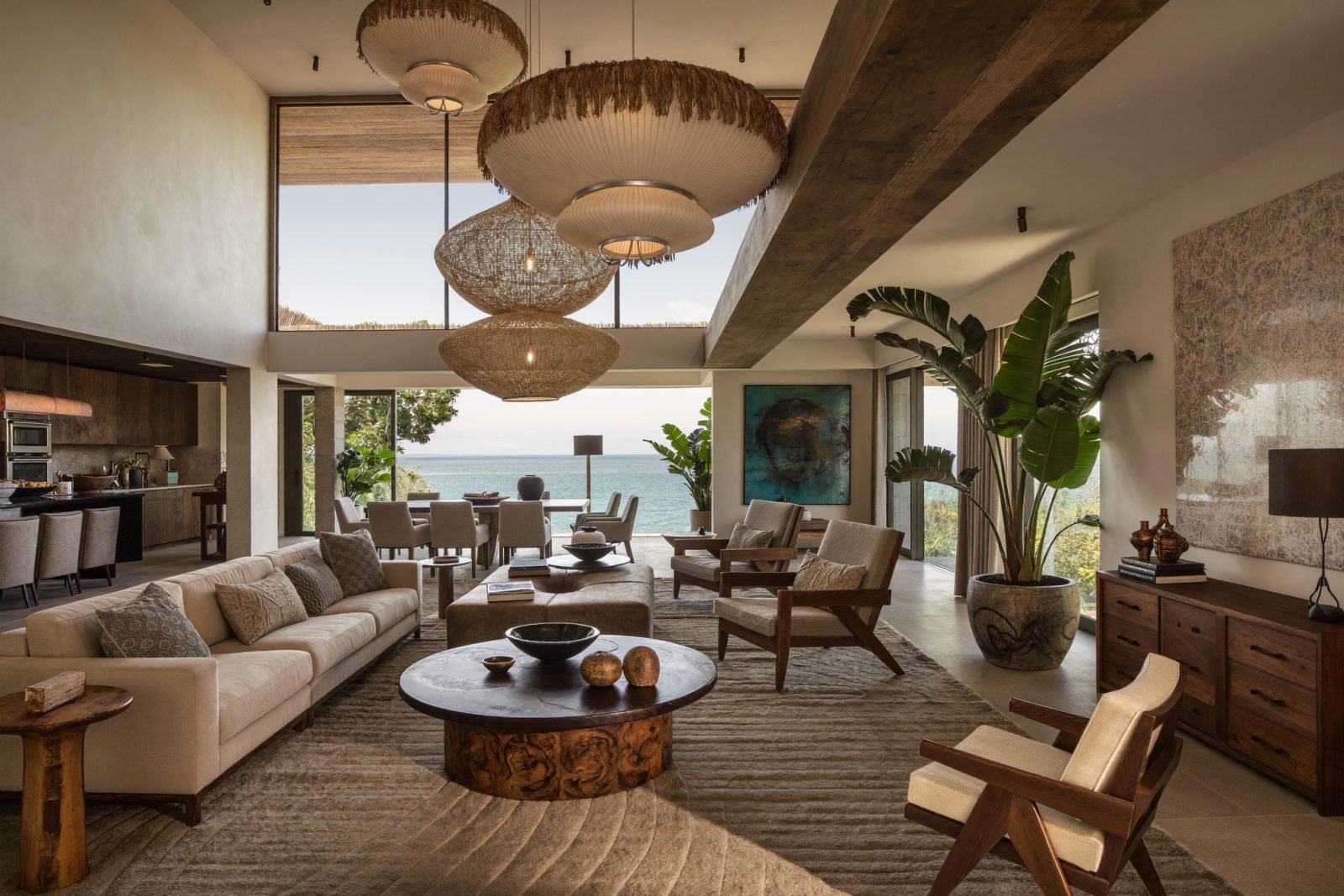
Whether you have just closed on a beachfront condo or you are reimagining a hillside villa, the right interior designer transforms a property from a set of rooms into a place that feels unmistakably like Banderas Bay. Puerto Vallarta has developed a genuinely sophisticated design scene over the past decade, blending Mexican craft traditions — Talavera tile, hand-carved parota wood, woven palm and forged iron — with contemporary, light-filled coastal living.
This guide profiles ten of the design talents and studio archetypes shaping interiors across the bay in 2025. Because so many homes here are second residences or income properties, we have included specialists in rental-ready styling as well as bespoke luxury. If your project is tied to a rental, read it alongside our vacation rental guidance so design decisions actually pay for themselves.
Why design matters more in Vallarta than you might think
In a market full of short-term rentals, interiors are not just personal — they are competitive. A beautifully designed condo photographs better, commands higher nightly rates and earns stronger reviews. For owner-occupiers, thoughtful design copes with the realities of a coastal climate: humidity, salt air, intense sun and the indoor-outdoor lifestyle that defines life on the bay. Good design here is equal parts aesthetics and durability.
The Vallarta design language
The most successful local interiors share a vocabulary: natural materials, a restrained palette that lets the bay views do the talking, generous ventilation, and at least a few handmade Mexican pieces that root the space in its place. The designers below interpret that language in distinct ways.
The top 10 interior designers and studios
1. A coastal-luxury villa studio
At the top of the market sit studios that handle full villa projects from architecture collaboration through to the last cushion. These teams manage international clients, custom furniture commissions and long timelines, delivering the kind of magazine-ready interiors found in Punta Mita and Conchas Chinas. They are the right call for ground-up builds and gut renovations where budget follows vision.
2. A Mexican-craft revivalist
Some designers build their entire identity around celebrating Mexican artisanship — sourcing directly from workshops in Tlaquepaque, Tonalá and Michoacán. They commission custom tile, talavera, blown glass and carved wood, creating interiors that feel deeply authentic rather than imported. Ideal for owners who want their home to feel rooted in Mexico, not transplanted from abroad.
3. A modern-minimalist specialist
For clients who want clean lines, neutral palettes and architectural calm, minimalist-leaning designers strip interiors back to light, texture and a few statement pieces. This approach suits contemporary condos with floor-to-ceiling glass, where the view is the star and the interior plays a supporting role.
4. A rental-ready condo stylist
A practical and increasingly popular niche: designers who furnish and style investment condos specifically to maximize rental performance. They balance durability, photogenic appeal and budget, knowing exactly which finishes survive heavy guest turnover. If you are buying for income, this is the partner who makes your unit out-earn the building.
5. A boutique residential designer
Independent designers running small, hands-on practices offer a personal relationship and flexibility that larger firms cannot. They often handle the full project themselves, from concept to install, which appeals to homeowners who want a single point of contact and a tailored result.
6. A turnkey furnishing service
Some businesses specialize in delivering a fully furnished, move-in-ready home on a fixed timeline — perfect for remote buyers who want to hand over a key and return to a finished space. They manage procurement, delivery and installation, removing the logistical headaches of furnishing from abroad.
7. An outdoor-living and terrace specialist
In Vallarta, the terrace is often the most-used room in the house. Designers who specialize in outdoor living — weather-resistant furniture, shade strategies, planting, lighting and kitchens — extend the home into the climate that brought owners here in the first place.
8. A sustainable, locally sourced designer
A growing cohort prioritizes sustainability: reclaimed wood, local sourcing to cut transport, natural ventilation over heavy air conditioning, and durable materials that last. For eco-minded owners, these designers align beautiful interiors with a lighter footprint.
9. A hospitality-crossover designer
Designers who also work on boutique hotels and restaurants bring a hospitality sensibility to private homes — durable luxury, smart layouts and an instinct for how spaces make people feel. That experience translates especially well to high-end rental properties.
10. A staging and refresh specialist
Not every project is a full renovation. Some designers focus on staging properties for sale or giving tired interiors a cost-effective refresh. For sellers, professional staging can meaningfully shorten time on market and lift the final price — a small investment with an outsized return.
How to choose the right interior designer
- Define the goal. A personal dream home, a rental that maximizes yield and a property staged for sale all call for different designers.
- Review a real portfolio. Look for completed Vallarta projects, not just mood boards, and ask to visit a finished space if possible.
- Confirm the scope. Clarify whether the designer handles procurement, delivery, installation and project management, or design only.
- Pin down the budget and timeline. Importing furniture and custom commissions take time; agree on realistic milestones up front.
- Check climate competence. The right materials for a humid, salty coastal environment are not the same as those for a dry inland home.
Questions to ask before hiring a designer
A short, pointed conversation tells you a great deal about whether a designer is right for your project. Before committing, ask the following.
How do you charge?
Designers structure fees in different ways — a flat project fee, an hourly rate, a percentage of the total budget, or a margin on furnishings they procure. None is inherently better, but you want it spelled out in writing so there are no surprises and so your incentives are aligned.
Who manages the project on the ground?
If you are abroad, you need to know who supervises deliveries, trades and installation in person. A designer with a reliable local team and clear communication will keep a remote project on track; one without it can leave you exposed to delays you cannot see.
Can you work within my budget?
A candid designer will tell you early whether your vision and budget align, and where to spend or save. Beware anyone who avoids the budget conversation — it almost always ends in friction later.
What is your lead time?
Custom commissions and imports take weeks or months. Confirm the timeline up front, especially if you are tying the project to a rental launch or a personal arrival date.
Sourcing furniture and decor in Vallarta
Part of what makes designing here rewarding is the sourcing. Beyond conventional furniture showrooms, the region offers direct access to artisan workshops producing custom wood, iron, tile and textiles, often at prices well below imported equivalents. Nearby Guadalajara and the craft towns of Tlaquepaque and Tonalá are treasure troves of furniture, ceramics and glass. A well-connected designer turns this access into an advantage, blending custom local pieces with select imports for a home that feels collected rather than catalog-ordered. For owners furnishing from a distance, that local network is exactly what makes a turnkey result possible.
Budgeting for a Vallarta interior
Costs vary enormously by scope. A rental-condo refresh with locally sourced furniture is a fraction of a custom villa fit-out with commissioned pieces. The most reliable way to control budget is to lock in the scope and material palette early, and to lean on local artisans, whose custom work is often more affordable here than mass-produced imports.
Where the money goes
In most Vallarta projects, the largest line items are case goods (sofas, beds, dining sets), custom millwork and any architectural changes such as new flooring, kitchens or bathrooms. Soft furnishings, art and accessories cost less individually but add up, and they are where a designer's eye earns its fee — the difference between a furnished room and a finished one. Building in a contingency of roughly ten to fifteen percent is wise, because coastal renovations often uncover surprises behind the walls.
Imported versus local pieces
Importing furniture from abroad adds shipping, customs and long lead times, and salt air can be unkind to materials that were never meant for the tropics. Commissioning from local workshops frequently delivers better value, faster timelines and pieces built for the climate. A good local designer knows exactly which workshops deliver quality on schedule.
Designing specifically for the coastal climate
This deserves its own attention because it is where inexperienced designers stumble. Banderas Bay is humid, sunny and salty, and an interior that ignores those facts ages badly.
Materials that last
Solid tropical hardwoods such as parota, powder-coated or marine-grade metals, quartz and porcelain surfaces, and outdoor-rated fabrics indoors all hold up far better than delicate veneers, untreated iron or low-grade upholstery. The best designers specify with longevity in mind, not just the showroom look.
Light and ventilation
Intense sun calls for considered shading — overhangs, shutters, sheer layers — to protect both furnishings and comfort. Cross-ventilation and ceiling fans reduce reliance on air conditioning, which matters for both running costs and the indoor-outdoor feel that defines life here.
Mold and moisture management
Smart material choices, good airflow and dehumidification protect a home that may sit empty for stretches between owner visits or guest stays. A designer who thinks about how the home performs when no one is there is worth keeping.
How a typical project unfolds
Understanding the phases helps you set expectations. Most full projects move through an initial consultation and brief, a concept and mood-board stage, a detailed design with material selections and budget, procurement and any construction, and finally installation and styling. Custom commissions and imports drive the timeline, so a full villa can take several months while a condo refresh may be measured in weeks. Agree on milestones and a payment schedule tied to them before work begins.
Designing for resale and rental value
If your home is an investment as much as a residence, design choices have a financial dimension. Neutral, broadly appealing palettes photograph well and attract the widest pool of guests and future buyers. Durable, easy-to-clean surfaces survive turnover. A few memorable, photogenic moments — a statement headboard, a striking terrace, a beautiful tiled bathroom — become the images that sell the listing. A designer who understands the rental and resale market designs with the camera and the next owner in mind, not just the current one. Pair these decisions with our revenue optimization guidance to make sure the aesthetics translate into bookings.
The bottom line
The best interior designer in Puerto Vallarta is the one whose specialty matches your project and whose taste resonates with yours. Whether you want a craft-rich Mexican home, a serene minimalist retreat or a high-performing rental, the bay's design community has the talent to deliver — provided you brief them clearly, budget realistically and respect the demands of the coastal climate. And if your interior is part of an income strategy, design and operations work hand in hand — our property management resources help you keep that investment performing long after the last piece is installed.
Frequently Asked Questions
It depends entirely on scope. A rental-condo refresh using locally sourced furniture is far less expensive than a custom villa fit-out with commissioned artisan pieces. Lock in the scope and material palette early to control the budget.
Yes. Many Vallarta studios offer turnkey furnishing services that manage procurement, delivery and installation, so remote buyers can return to a fully finished, move-in-ready home.
Often, yes. In a market full of short-term rentals, well-designed interiors photograph better, command higher nightly rates and earn stronger reviews, frequently paying back the design cost through improved performance.